Why a Smart EV Charger Matters Here
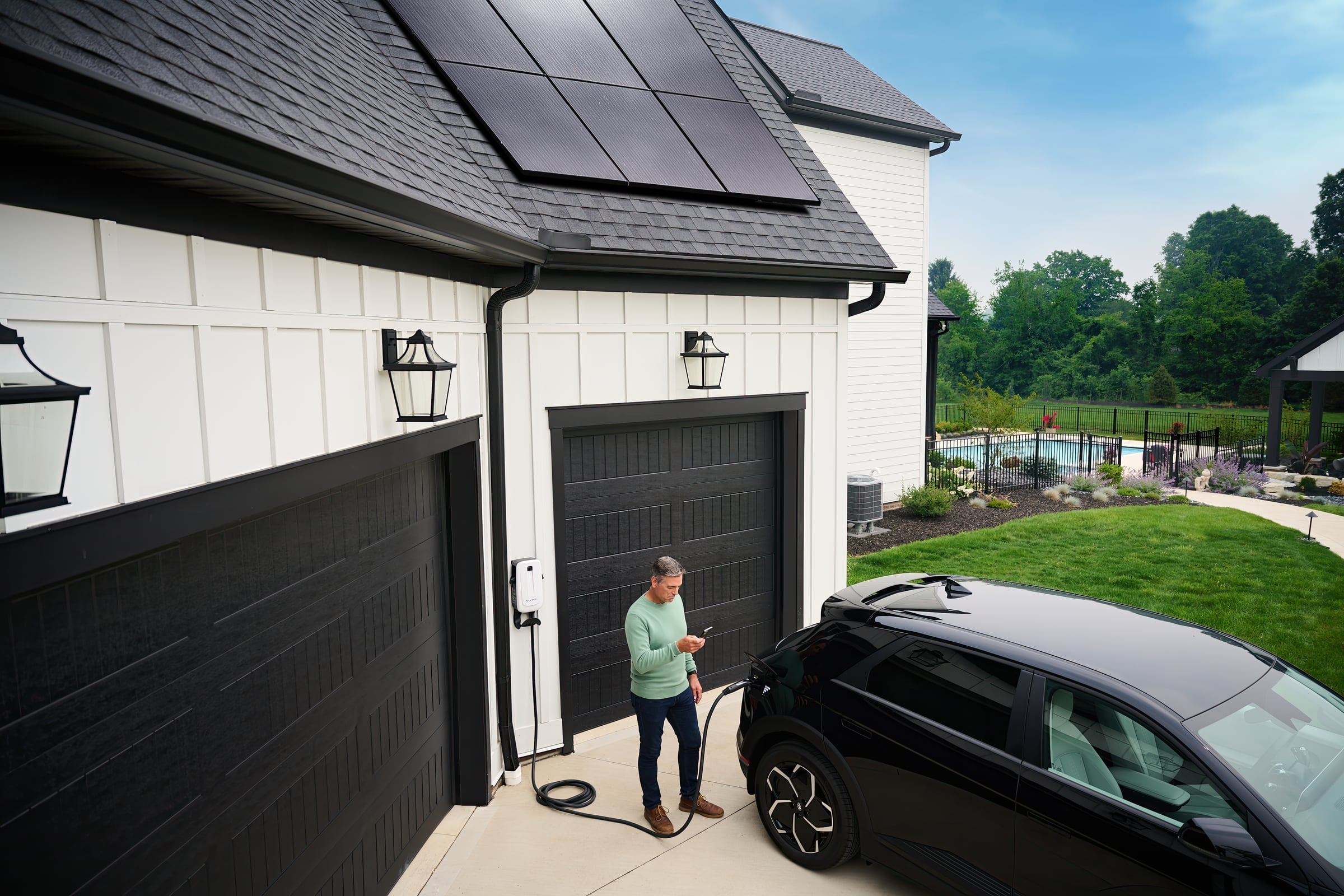
A Level 2 charger pulls 7.7 to 19.2 kilowatts depending on the circuit. The same draw as two to five air conditioners running at once. In a DFW home where dual HVAC, a pool heater, and a home theater already lean hard on the panel, plugging in a Taycan at six in the evening without any thought to load is how main breakers trip and panel upgrades become urgent. We integrate your charger with your home so charging happens on its own — quietly waiting for off-peak hours, easing back when the HVAC asks for more, sending surplus solar straight into the car.
Two cars in the garage? Three? More common every year in Highland Park, University Park, and Flower Mound. We set up dynamic load sharing that splits the available amperage by your priority rules. The Model X needs to be full by six AM, so it gets the lion's share until eighty percent. Then the R1S takes the rest. All of it through Savant. None of it requiring you to think.
Choosing the Charger and Planning the Power
We pick the charger to match the car, the garage, and the panel. The Wall Connector pushes up to 48 amps on a 60-amp circuit and supports 's power-sharing protocol for multi-charger setups. For mixed-brand garages, the Wallbox Pulsar Plus handles universal J1772 with built-in Wi-Fi, dynamic power management, and a small footprint that fits cleanly into the three-car garages of Southlake and Westlake. ChargePoint Home Flex tunes from 16 to 50 amps — useful when a panel upgrade is not on the table.
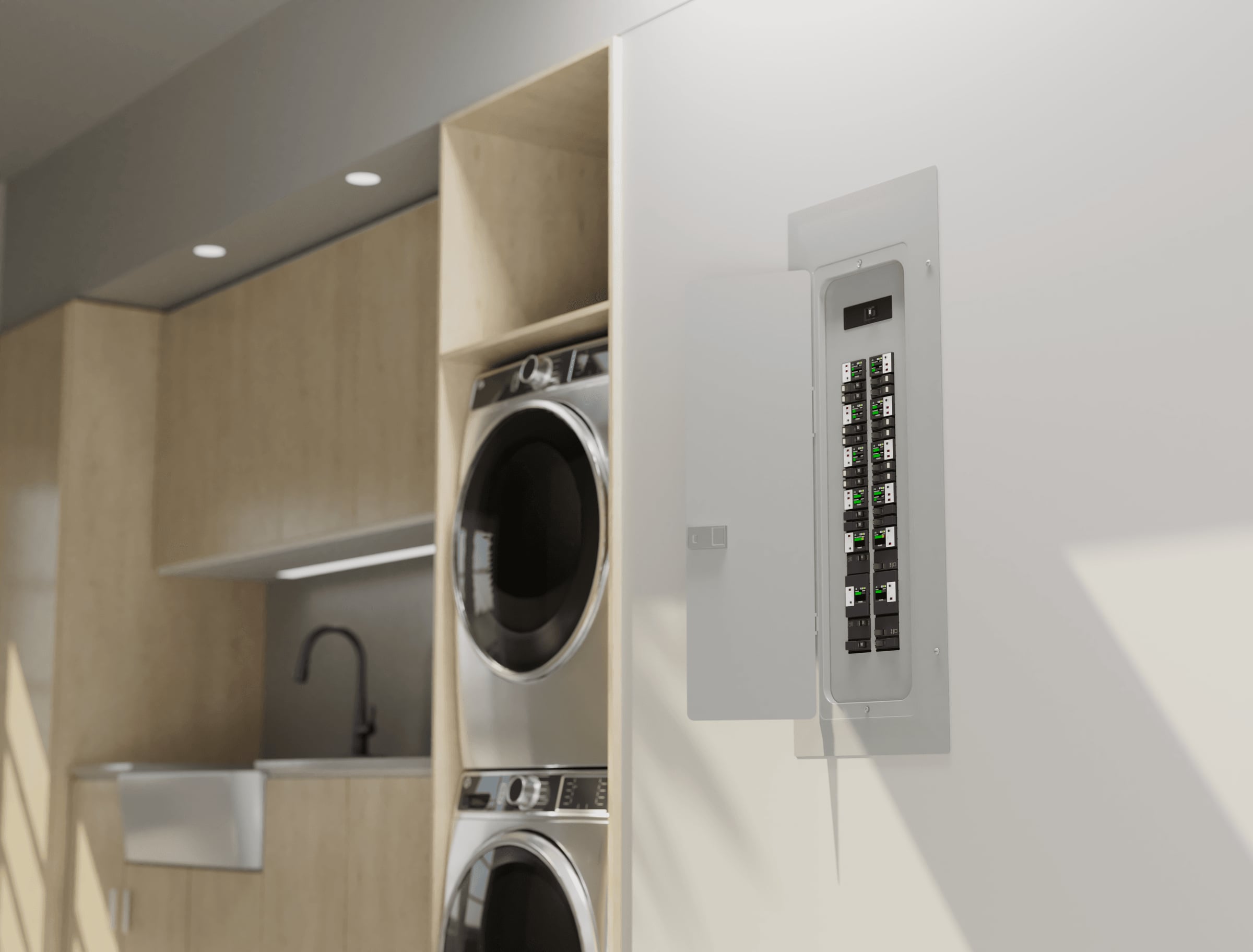
Power planning starts with a real load calculation. We audit the existing panel, find the circuits we can re-allocate, and decide whether the 200-amp or 400-amp service can carry the charger without an upgrade. Many DFW homes built after 2015 can hold a 48-amp charger on existing 200-amp service when load management is intelligent. Older estates in Preston Hollow or the M Streets sometimes need a sub-panel or a service upgrade. We coordinate the electrician, the permit, and Oncor — you sign once.
Bringing the Charger Into the Home
Once the charger is on the wall, we integrate it into Savant through Wi-Fi APIs or local network protocols. The automation layer is where it stops being a charger and starts being part of the house. A "Departing" scene tied to your morning alarm shows the current charge level on the bathroom mirror display or the kitchen touchscreen. Below the threshold you set? A quiet push notification before the coffee is ready.
Time-of-use is where this earns its keep. We set the system to begin charging at nine PM when TXU Energy Super Nights drops to its lowest tier, pause through the six-to-nine AM peak, and resume the moment the rate falls again. For homes with solar, the diversion mode catches the moment production runs ahead of the house — and routes the surplus straight into the car instead of selling it back to Oncor at a fraction of retail. Free electricity, more or less, while you sleep.
Two Cars, Three Cars, Guests
A garage with three or more EVs needs careful circuit allocation and dynamic load sharing. We install Wallbox or chargers on a shared circuit with intelligent amperage distribution — managed by the charger's native protocol or by our automation layer. Priority scheduling makes sure the daily driver fills first, while the weekend car charges opportunistically through the quiet hours.
For homes that entertain often, we add an outdoor-rated NEMA 4 charger near the motor court or guest parking. It lives in the same system but plays by guest rules — alive during the party, asleep otherwise. The usage data lands in your energy dashboard, so estate management sees exactly what guests consumed. A small detail that makes everything feel intentional.
The Questions People Actually Ask.
Do I need a panel upgrade to install an EV charger?
Not always. We run a load calculation to see what your home actually has to give. Many DFW homes on 200-amp service can carry a 48-amp charger with intelligent load management that eases back when other systems are working hard. Homes on 400-amp service almost never need an upgrade.
Can the smart home system control when my car charges?
Yes. We program the time-of-use schedule that fits your rate plan — charging through the off-peak window, pausing through the peak. The system can override its own schedule when you tell it the car needs to be full by a certain time, through the app or a keypad scene.
What if I have a and a non- vehicle?
We install the right charger for each car — Wall Connector for, a J1772 charger like Wallbox Pulsar Plus for the other. Both live in the same dashboard, and dynamic load sharing splits the amperage by the priority rules you set.
How does solar diversion charging work?
When your panels are making more than the house is using, the surplus normally goes back to the grid at a low buy-back rate. The integration sees that surplus as it happens and turns the charger on to absorb it. The car charges from the sun. The grid stays quiet.
Can I monitor charging status from my phone?
Yes. Your Savant app shows the current amperage, the kilowatt-hours delivered, the estimated time to full, and the running cost at your real rate. A push notification arrives when the car is full, and another if anything faults. You always know.