01
New Construction or Existing Electrical System?
New construction allows service capacity, panel space, conduit, equipment locations, communications and future solar, storage or EV charging to be coordinated before rough-in. Electrical installation requires a licensed electrician; permits and utility coordination depend on the project and jurisdiction.
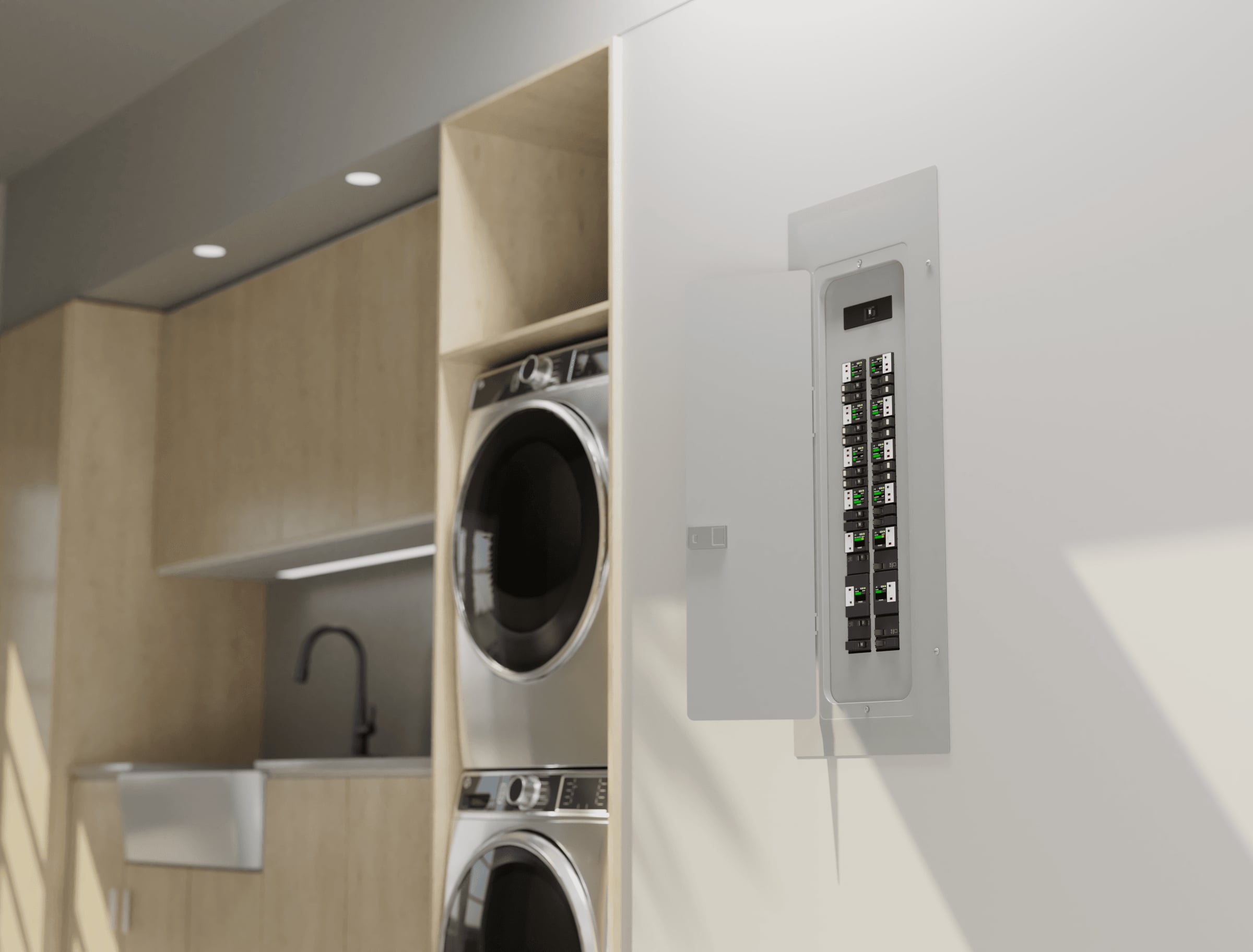
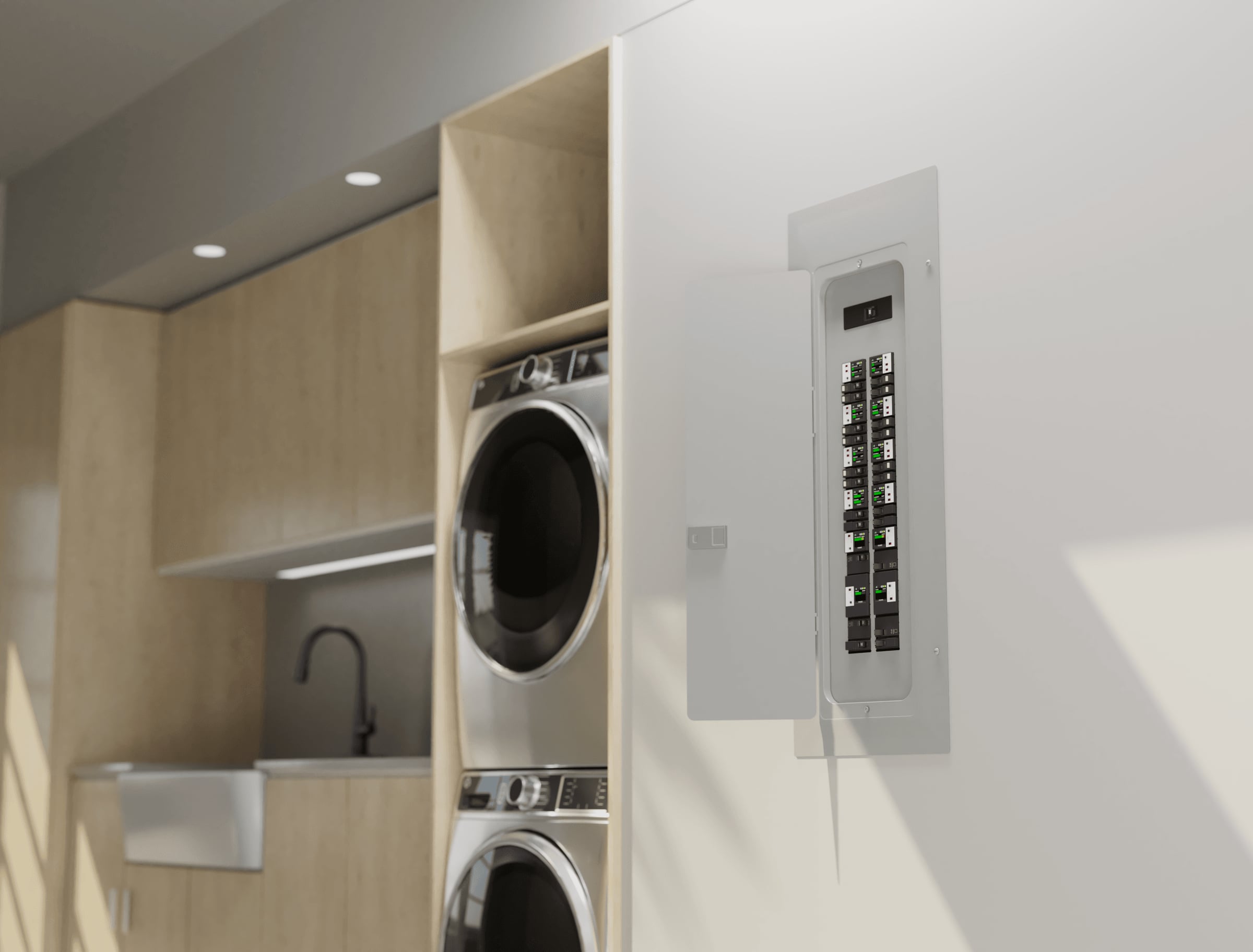
An existing home starts with an inspection of the service, panels, breakers, available space, major loads, network access and any existing solar, generator, storage or EV equipment. The proposal should state what can remain, what needs electrical modification and which circuits are included.
02
What Determines the Scope and Cost?
Scope depends on the number and type of circuits to be monitored or controlled, module and panel requirements, electrical modifications, communications, solar or storage integration, generator or EV coordination, programming and installation access. A monitoring-only project and a system with controllable loads and backup power are different scopes.
Compare proposals by the exact circuits, power sources, equipment, electrical work, permits, configuration, testing and training included. Ask which subscriptions, utility work, third-party equipment, warranties and future support are separate. Do not treat projected bill savings or backup duration as guaranteed.
03
Testing, Accounts and Handoff
At handoff, compare the dashboard with the agreed circuit and source list; verify names, live readings, history, alerts, included controls and any configured scenes. Test solar, storage, generator or EV information only when those systems are included, and document what remains available if the network or a connected service is unavailable.
Keep the panel and circuit map, installed-equipment list, account owner, credential-transfer record, permits, warranty documents, manual overrides and written support terms. Any later circuit, rate-plan or backup-priority changes should be reviewed against the installed equipment and electrical design.