
01
Start With the Routines
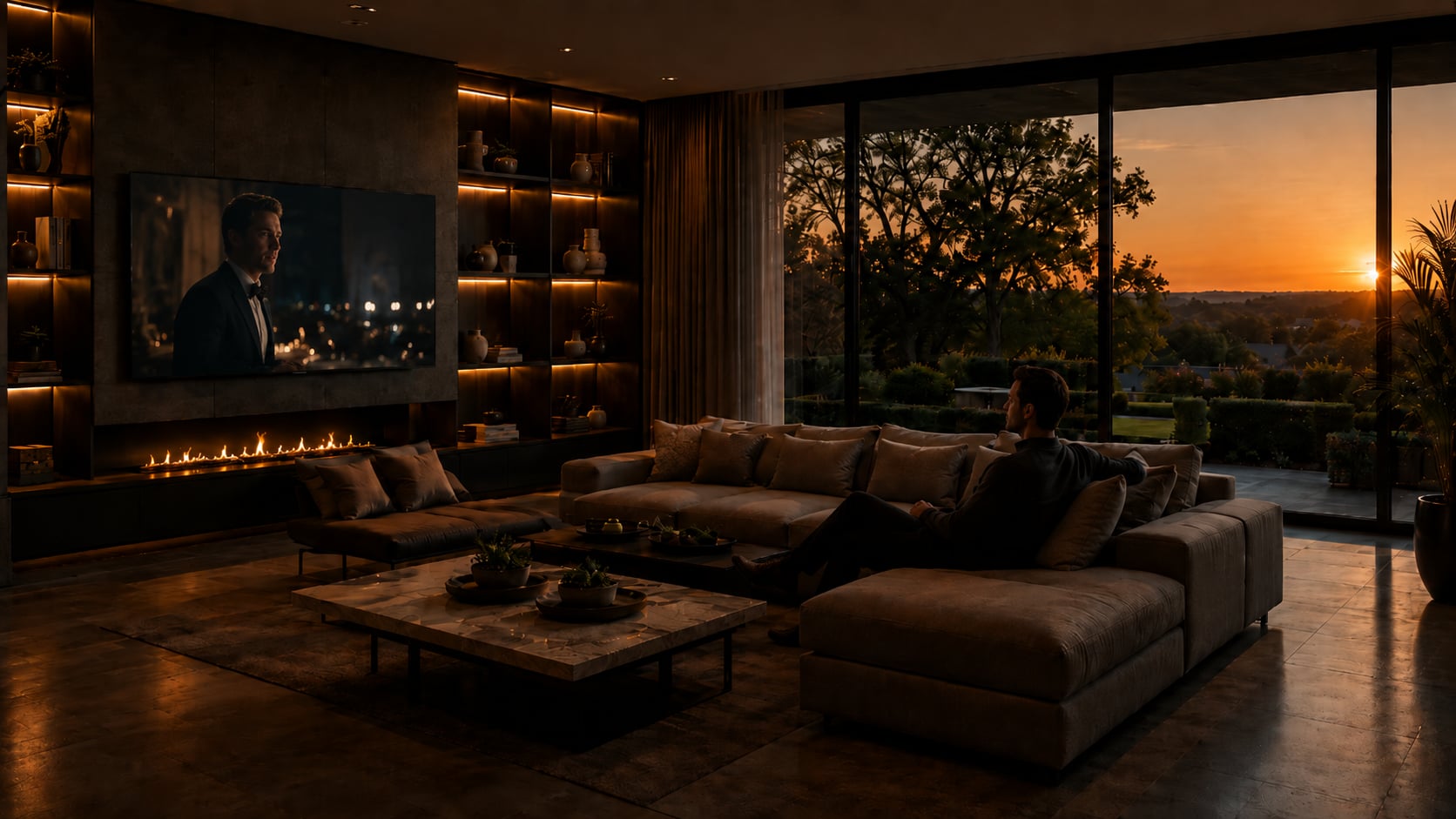
List the rooms and moments that need one-touch control: arriving home, entertaining, bedtime and travel. Separate essential functions from optional conveniences so the proposal reflects how the household actually lives.

One supported system, designed around daily life.
Plan lighting, shades, climate, entertainment and security around the rooms you use, the equipment you already own, and the controls your household wants to use.
Planning a Smart Home That Works Together
A useful home automation plan starts with the daily routines and rooms you want to control—not a device list. Decide which lights, shades, climate zones, music, video and security functions should work together, and which need simple independent control. TruDefinition designs, installs and programs Savant systems for new construction, renovations and existing homes across Dallas-Fort Worth.
Bring the model numbers of equipment you hope to keep. Compatibility depends on the selected device, its interface and current software; a site review can identify what can be integrated, what needs an adapter or replacement, and what should remain separate. The home network, equipment space and wiring routes belong in the plan before programming scenes.
01
List the rooms and moments that need one-touch control: arriving home, entertaining, bedtime and travel. Separate essential functions from optional conveniences so the proposal reflects how the household actually lives.
02
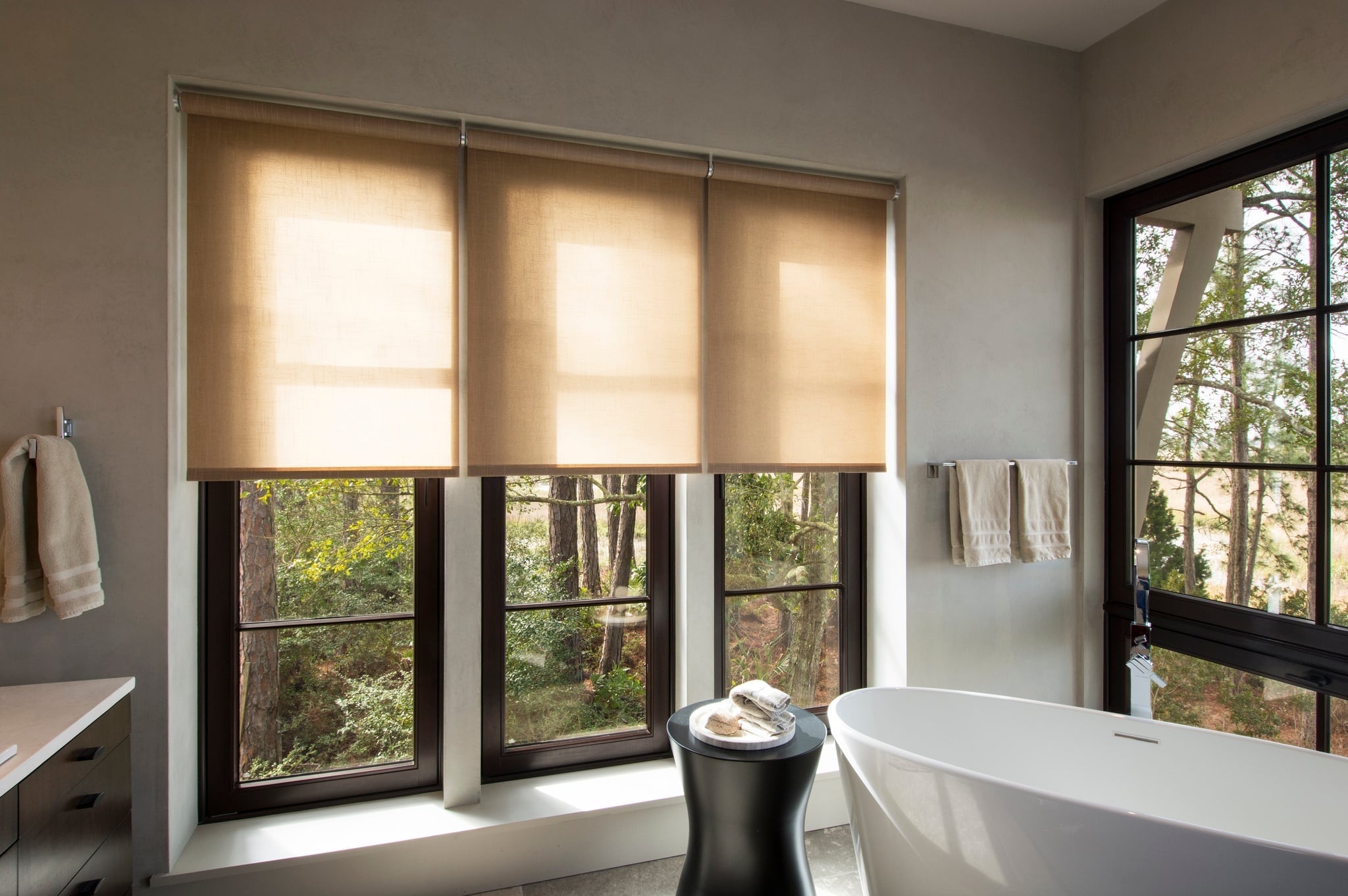
Identify existing thermostats, lighting controls, shades, AV, cameras and network hardware. Integration is model-specific; record what has been verified rather than promising that every existing device will join one app.
03
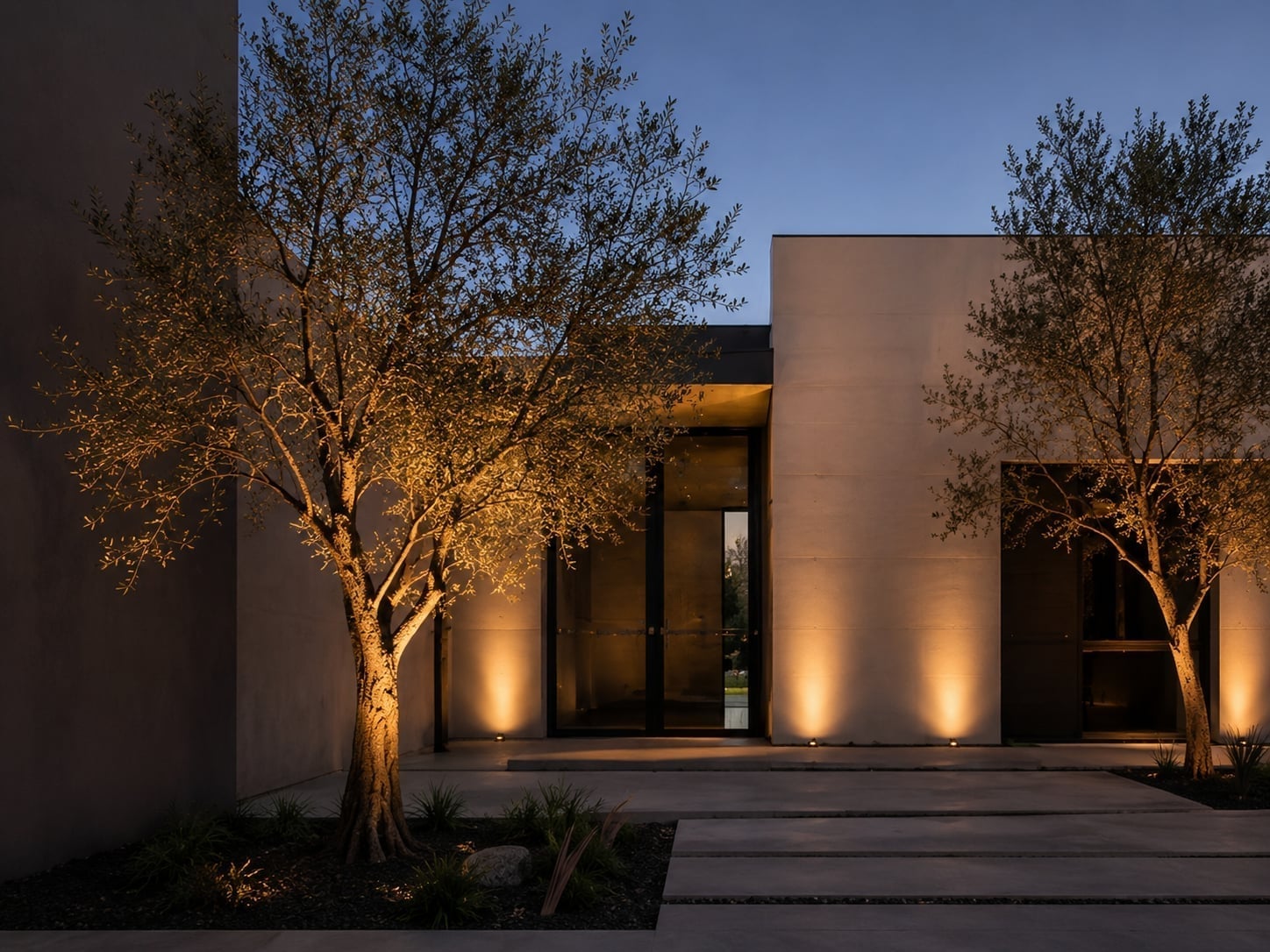
Document network coverage, reliable wired connections, equipment location, available power and access for service. In new construction, coordinate the pre-wire before walls close; in an existing home, inspect practical cable routes first.
Describe the routines, rooms, and moments you want to feel effortless. We'll shape the system around them.
01
A new build allows cable paths, keypad locations, equipment space and network access points to be coordinated with the architect, builder and electrical team. Put the control plan on drawings before rough-in.
A retrofit starts with a walkthrough of the existing wiring, walls, network and equipment. Some functions can use compatible devices already in place; others may require new infrastructure. The proposal should identify access work and any disruption before installation begins.
02
Price depends on the number of rooms and controlled functions, hardware choices, wiring access, network work, integration of existing equipment and the amount of custom programming. A single-room setup and a whole-home renovation are different projects.
Compare proposals by the devices and rooms included, electrical or builder coordination, programming, training and future support. Ask which subscriptions or third-party services are separate. A site-specific scope is more useful than a universal price per room.
03
Before handoff, walk through the everyday scenes, manual overrides and the controls every household member will use. Confirm what happens if the internet or a connected service is unavailable for each selected device.
Keep an inventory of installed equipment and agreed programming, and clarify who manages account access, software updates, warranty questions and future changes. Support terms should be written into the project agreement rather than assumed.
The Details That Matter
One quiet brain. The whole house, listening.
Explore →The home you love, made intuitive. No demolition required.
Explore →Wire it right while the walls are open. Live the difference for decades.
Explore →Light that follows the hour, not the switch.
Explore →